
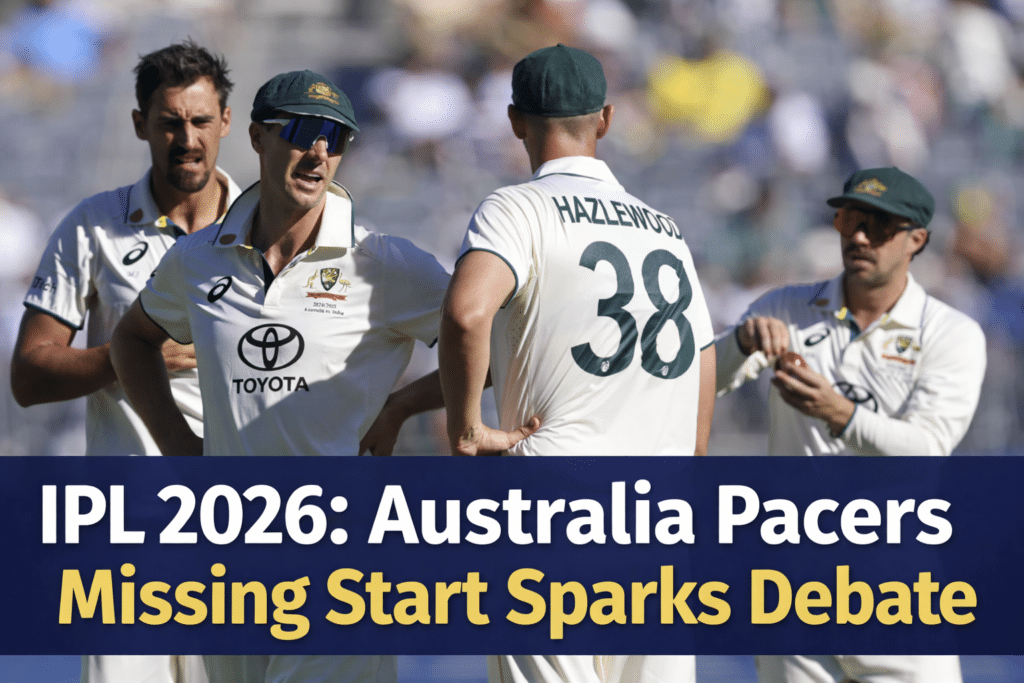
IPL 2026: Criket Australia Pacers Missing Start Sparks Debate
The anticipation surrounding IPL 2026 has taken an unexpected turn as several of Australia’s premier fast bowlers are set to miss the opening phase of the tournament. Mitchell Starc, Pat Cummins, and Josh Hazlewood—three of the most experienced and impactful pacers in modern cricket—will not be available for their respective franchises in the early matches, creating a wave of concern across the league.
These players are not just regular squad members; they are match-winners who often shape the outcome of games with their pace, accuracy, and ability to deliver under pressure. Their absence, even for a short period, could significantly alter team balance and early tournament dynamics, especially for franchises that rely heavily on their overseas bowling strength.

The decision stems from a carefully planned workload management policy implemented by Cricket Australia (CA). With a demanding international schedule on the horizon—including crucial Test assignments and long-format commitments—CA is prioritizing player fitness and longevity over immediate participation in franchise cricket. The goal is to ensure that key fast bowlers remain fresh, injury-free, and fully prepared for upcoming national duties write by Lottery 7.
However, this approach has sparked widespread debate within the cricketing community. While workload management is increasingly common in modern cricket, the timing of this decision—right before one of the biggest T20 leagues in the world—has raised questions. Franchises, who invest heavily in securing top international talent, now find themselves adjusting plans at the last moment.
As IPL 2026 approaches, the absence of these Australian stars highlights the growing challenge of balancing international cricket responsibilities with franchise commitments. It also sets the stage for deeper discussions about scheduling, player availability, and the evolving relationship between cricket boards and global leagues.
Why Are Australia Pacers Missing IPL 2026?
The absence of Australia’s leading fast bowlers from the early stages of IPL 2026 is not due to injury, but rather a strategic decision by Cricket Australia aimed at long-term player management. In modern, where athletes are constantly shifting between formats and tournaments, maintaining peak physical condition has become a top priority for national boards.
Cricket Australia is currently facing an intense international calendar, with a demanding stretch of matches scheduled in the coming months. Among the biggest priorities is a high-stakes Test series, which requires bowlers to operate at maximum intensity over extended periods. Fast bowlers, in particular, are more vulnerable to injuries due to the physical strain of repeated high-speed deliveries, making careful workload planning essential.
Instead of risking burnout or potential injuries during a fast-paced T20 tournament, CA has chosen to limit the early participation of its key pacers. This proactive approach allows players more recovery time, ensuring they remain fresh and fully prepared for longer-format matches where endurance and consistency are critical.
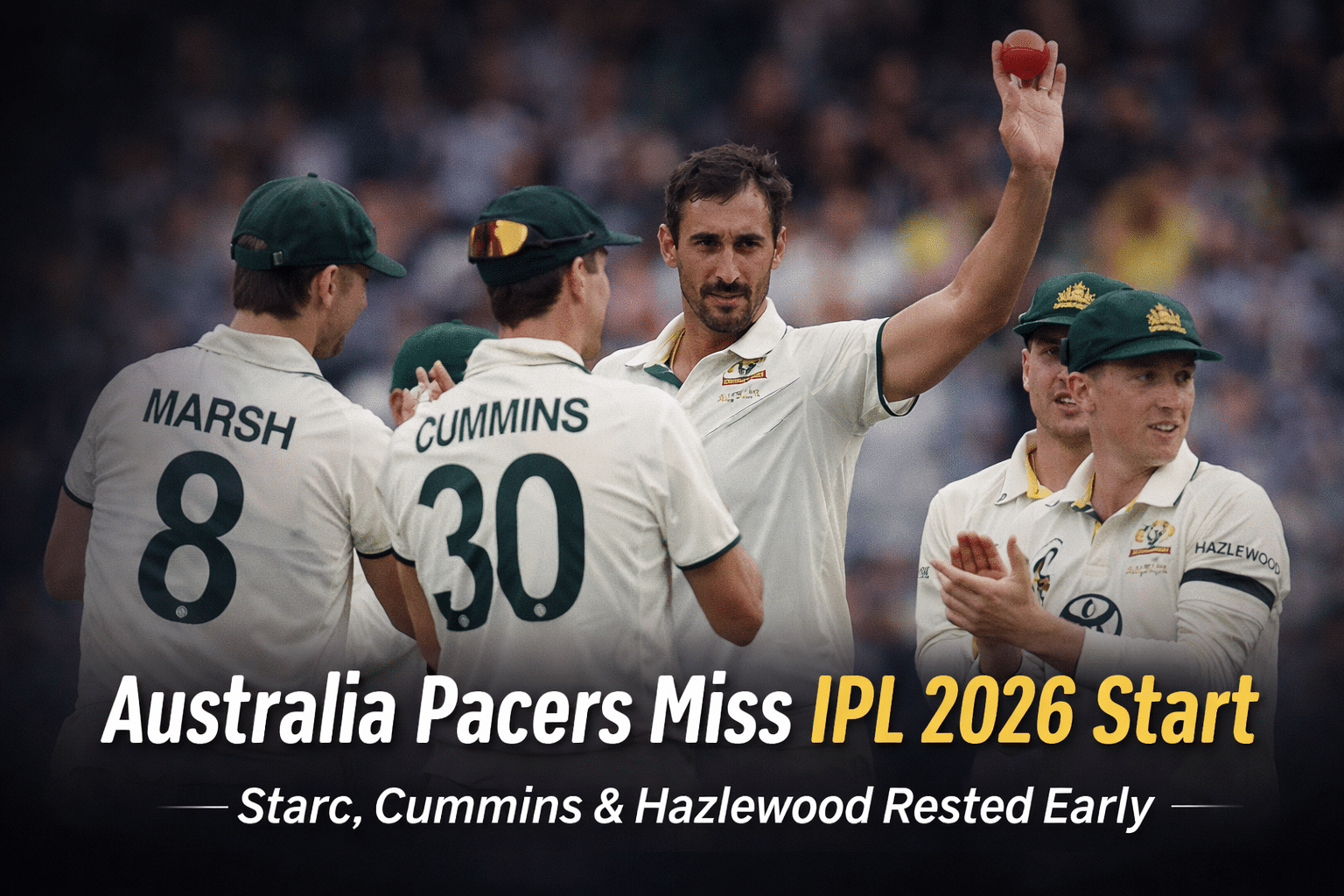
Key Factors Behind the Decision
- Injury Prevention
Fast cricket bowlers are among the most injury-prone athletes in cricket. By reducing their match exposure before a crucial international season, CA aims to minimize the risk of muscle strains, stress injuries, and fatigue-related breakdowns. - Fatigue Management
Even if players are not currently injured, accumulated fatigue from previous series and training cycles can impact performance. Resting players helps maintain their effectiveness across formats rather than risking a dip in form later. - Focus on Test Cricket Priorities
Test matches cricket remain a top priority for Cricket Australia, especially in high-profile series. Ensuring that their pace attack is fully fit and available for these games is considered more important than early IPL participation. - Long-Term Performance Strategy
Rather than focusing on immediate gains, CA is adopting a long-term view—protecting its core players to sustain performance throughout the entire season.
While this strategy may strengthen Australia’s chances in international competitions, it has inevitably affected IPL franchises. Teams that invested heavily in these star players are now forced to rethink their plans, adjust combinations, and rely on backup options during the crucial opening phase of the tournament.
This situation cricket highlights the growing tension between international cricket priorities and franchise league expectations—an issue that continues to shape the future of the sport.
-
Impact on IPL Teams Cricket
- The absence of Australia’s cricket premier fast bowlers in the opening phase of IPL 2026 is set to create a noticeable imbalance across multiple franchises. These players are not just part of the playing XI—they are central to team strategy, often delivering breakthroughs in crucial moments and controlling the tempo of the game.
- Each affected team cricket now faces a different kind of challenge, particularly in restructuring their bowling attack and maintaining consistency during the early matches.
-
How Each Cricket Team Is Affected
- • Delhi Capitals (DC)
Mitchell Starc’s absence leaves a significant gap in Delhi’s pace arsenal. Known for his ability to swing the new ball and deliver lethal yorkers at the death, Starc often plays a dual role—attacking early and finishing strong. Without him, DC may struggle to maintain the same level of dominance in both phases of the innings. - • Sunrisers Hyderabad (SRH)
Pat Cummins is more than just a fast bowler for SRH—he is also the captain and a key decision-maker on the field. His absence impacts not only the bowling unit but also leadership and tactical clarity. Replacing both his skill set and leadership influence is a complex task for the team. - • Royal Challengers Bengaluru (RCB)
Josh Hazlewood brings discipline, accuracy, and control, especially during pressure situations. For RCB, his ability to contain runs and build pressure is invaluable. Without him, the team may find it harder to maintain tight lines, particularly against aggressive batting lineups.
-
Challenges Teams Will Face
- Even though franchises have invested in backup players, the gap left by world-class pacers is difficult to fill. The early matches of the tournament could expose these weaknesses.
- • Reduced Powerplay Impact
Top-tier fast bowlers are crucial in the first six overs, where early wickets can define the course of a match. Without their leading pacers, teams may struggle to break strong opening partnerships. - • Weaker Death Bowling
The final overs demand precision, experience, and composure—qualities these Australian pacers excel at. Their absence could lead to higher run concessions in the death overs, directly affecting match outcomes. - • Increased Pressure on Bench Strength
Backup bowlers cricket will be required to step into high-pressure roles immediately. This can test squad depth, especially if replacements lack experience at the highest level. - • Tactical Adjustments
Teams may need to rethink their entire game plan—altering bowling rotations, relying more on all-rounders, or even strengthening spin options to compensate for the missing pace attack. -
Early Tournament Advantage Shift
- The unavailability of key players could also shift the competitive balance in the early stages of IPL 2026. Teams facing affected franchises might gain a temporary advantage, potentially influencing points table standings before the full squads are available.
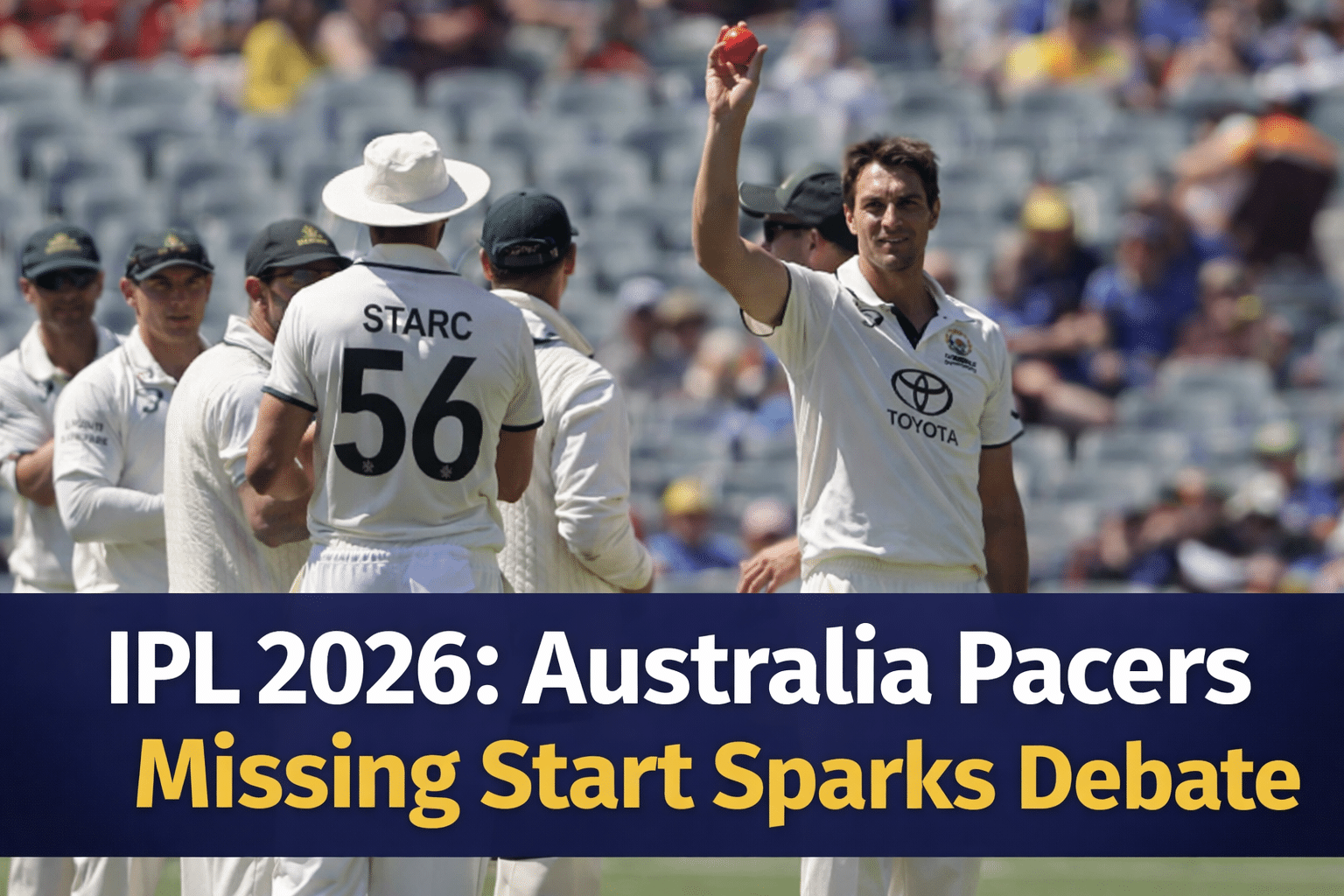
Aakash Chopra Criticizes Cricket Australia
The decision by Cricket Australia to delay the participation of its top fast bowlers in IPL 2026 has not gone unnoticed, with former India cricketer Aakash Chopra emerging as one of the most vocal critics. He has questioned the logic behind the move, describing it as overly cautious and potentially unfair to IPL franchises that depend heavily on international stars.
Chopra pointed out that the situation becomes even more puzzling when considering that some of the players involved, especially Mitchell Starc, are fully fit and have not been engaged in competitive cricket in recent weeks. From his perspective, resting players who are neither injured nor overworked raises doubts about whether the decision is truly necessary at this stage.
He further argued that while workload management is important, applying it in a way that sidelines players from a major global tournament like the IPL creates an imbalance. Franchises invest significant amounts of money and build their squads around these marquee names, expecting them to be available from the start.
Chopra’s Key Concerns
- Absence Without Injury
One of the biggest issues highlighted is that players are missing matches despite being physically fit. This shifts the narrative from injury management to precautionary rest, which may not be well received by teams or fans. - Franchise Investment at Risk
IPL teams spend heavily during auctions to secure top international talent. When such players are unavailable, especially without clear medical reasons, it affects both planning and overall team value. - Questionable Timing
The timing of the decision—just before the tournament begins—has raised eyebrows. Teams have little room to adjust, making it a logistical and strategic challenge.
Chopra believes that if such situations continue, IPL franchises may need to rethink how they approach overseas signings, possibly prioritizing reliability and availability over reputation alone.
Franchise Concerns Growing
The IPL has evolved into one of the most influential and financially significant cricket leagues in the world, offering substantial opportunities for players globally. However, the current situation has exposed a growing tension between franchise expectations and national board priorities.
Chopra emphasized that teams may find it difficult to accept scenarios where high-profile players are unavailable without clear injury concerns. From a franchise perspective, consistency and commitment are just as important as skill.
Major Concerns for IPL Franchises
- Return on Investment (ROI)
Teams invest millions in acquiring elite players, expecting them to contribute throughout the tournament. Limited availability directly impacts the value of these investments. - Scheduling Conflicts
The overlap between international commitments and franchise leagues continues to create friction. National boards often prioritize long-term international goals, while franchises focus on immediate performance. - Uncertainty Around Availability
A lack of clear communication regarding when players will join creates uncertainty in team planning. This can disrupt strategies, team combinations, and match preparations.
Possible Long-Term Impact
If such situations become more frequent, IPL franchises may push for stricter regulations in player contracts. This could include clearer availability clauses, penalties for late withdrawals, or better coordination between cricket boards and league organizers.
Ultimately, this issue reflects a broader challenge in modern cricket—balancing the demands of international cricket with the growing influence of franchise-based tournaments. How this balance is managed could shape the future dynamics of leagues like the IPL.
What Happens Next?
Although Australia’s leading pacers are expected to join IPL 2026 after the initial phase, their temporary absence could have lasting consequences on team performance and tournament dynamics. The early matches of the IPL often play a crucial role in building momentum, confidence, and points on the table. Missing key players during this period can put teams at an immediate disadvantage that is not always easy to recover from later.
Franchises will now be forced to adapt quickly, making strategic adjustments to stay competitive despite the setback.
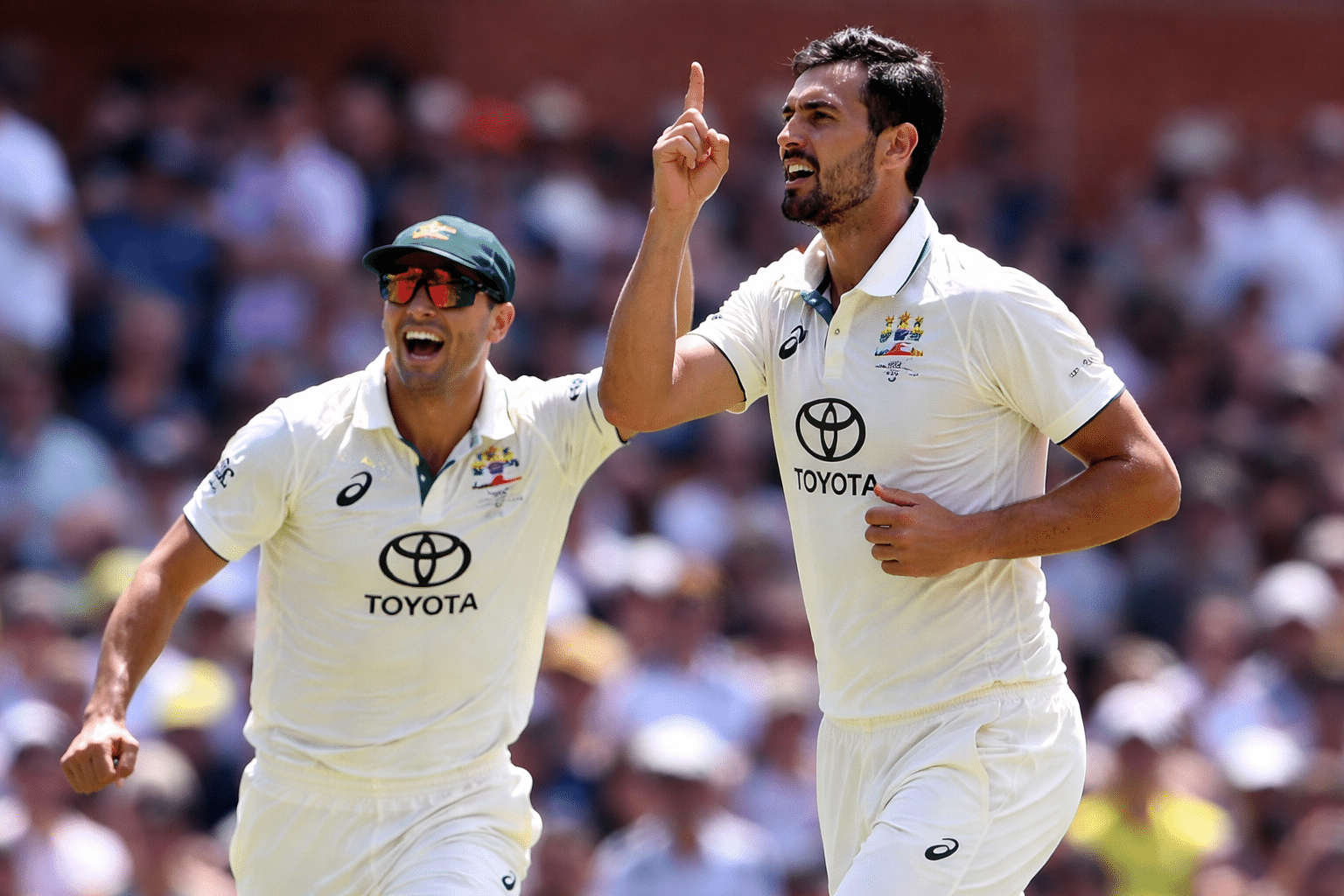
How Teams May Respond
- Tactical Adjustments in Early Matches
Coaches and captains may need to redesign their match strategies, especially in terms of bowling rotations. Without their primary strike bowlers, teams might adopt more conservative approaches or rely on variation rather than outright pace. - Greater Dependence on Domestic Talent
Local players are likely to play a bigger role in the opening games. This presents both a challenge and an opportunity—while less experienced players may face pressure, it also gives emerging talent a chance to prove themselves on a big stage. - Reworking Bowling Combinations
Teams may shift towards a more balanced attack, possibly increasing the role of all-rounders or spinners to compensate for the missing pace firepower. Flexibility in team selection will be key during this phase.
A Larger Issue in Modern Cricket
Beyond immediate team concerns, this situation reflects a deeper and ongoing issue in global cricket. The increasing number of franchise leagues around the world is creating scheduling conflicts with international commitments. It boards are prioritizing player fitness and national duties, while leagues like the IPL depend on the availability of global stars to maintain their competitive edge and commercial appeal.
This growing tension is likely to spark further discussions about player workload policies, scheduling coordination, and the future balance between international cricket and franchise tournaments.
Conclusion
Cricket Australia’s decision to rest its premier fast bowlers has introduced an unexpected storyline ahead of IPL 2026. While the move is rooted in long-term planning and player welfare, it has also triggered criticism from experts and raised important questions for franchises.
From a broader perspective, this situation highlights the evolving nature of modern, where managing player workload has become just as important as on-field performance. However, it also underscores the challenges that arise when national priorities clash with the demands of high-profile leagues.
As the IPL continues to grow in scale and influence, teams may need to adopt more flexible strategies—not just on the field, but also in how they build squads and manage international dependencies. The coming seasons could see significant changes in how franchises approach player contracts and availability, making this more than just a short-term issue.
FAQ Schema (RankMath Ready)
Why are Australian pacers missing IPL 2026?
They are being rested under Cricket Australia’s workload management plan to ensure they remain fit for upcoming international matches.
Which players are unavailable at the start of IPL 2026?
Mitchell Starc, Pat Cummins, and Josh Hazlewood are expected to miss the early matches.
Are these players dealing with injuries?
No, they are reportedly fully fit but are being rested as a preventive measure.
When will they join the tournament?
They are likely to join later in IPL 2026, although exact timelines have not been officially confirmed.
What impact does this have on IPL teams?
Teams lose key fast bowlers, which affects match strategy, bowling strength, and early tournament performance.
